Learn what works. Start with the Education Hub.

Learn what works. Start with the Education Hub.

Amazon American Express Apple Pay Diners Club Discover Google Pay Mastercard PayPal Shop Pay Visa

We don’t hatch basic. Neither should you.

Every chick's a critic. Better make it a good one.

Grab the exact gear you need, or get a CluckKit™ and let us do the thinking—either way, your flock wins.

Because mediocre gear doesn't survive the coop—or Clancy.

It’s not just mugs and tees—it’s emotional support merch for people who LOVE landrace chickens.

Treat yourself. The chickens already did.

Chickens with backbone. Keepers with taste.

Education Hub

Landrace Legends™

Built by nature, not show rings. Compare landrace breeds, learn fast, then dive into the guides.

Breed Origin Size (hen/cock) Egg color Est. eggs/yr Broodiness Cold-hardy Temperament Comb Notable traits Notes
Swedish Flower Hen Skåne, Sweden 4.4–5.5 lb (70–88 oz) / 5.5–7.7 lb (88–123 oz) Off-white to beige ~130–150 Lower–moderate Good Robust, foraging Single White-tipped “flowered” feathers Heavy crests can reduce vision; color secondary to function.
Hedemora Dalarna, Sweden 3.3–4.4 lb (53–70 oz) / 4.4–5.5 lb (70–88 oz) Off-white to beige ~150 30–40% Excellent Calm, sturdy Single Dense/downy; some woolly Avoid doubling woolly/5-toe/strong leg feathers.
Swedish Black Hen Bohuslän–Dalsland 2.2–3.3 lb (35–53 oz) / 3.3–4.4 lb (53–70 oz) Off-white to light beige ~150 30–40% Excellent Small, thrifty Single

Fibromelanistic

Some woolly

Maintain dual purpose type
Ölandsk Dwarf Öland, Sweden 1.1–1.8 lb (18–28 oz) / 1.3–2.2 lb (21–35 oz) Bone-white to beige ~130 50–60% Good Lively, compact Single or rose Tri-color with white tips Keep cocks ≤ 2.2 lb to preserve dwarf status.
Shetland Hen Shetland Isles, Scotland 4–5 lb (64–80 oz) / 5–6.5 lb (80–104 oz) Pale tinted, blue, or green ~150 Occasional (natural, good moms) Excellent Active, social, people-friendly Single Crested (“tappit”) ; rare landrace Values reflect keeper consensus + current flocks.
Icelandic Iceland ~3–3.5 lb (48–56 oz) / ~4.5–5.25 lb (72–84 oz) White–cream Good, even winter Some brood; good mothers Excellent Alert; friendly when handled Mixed (single/rose/pea) Highly diverse; great foragers/fliers Small carcass; flavorful; not confinement-friendly.
Orust (coming) Bohuslän coast 2.2–3.3 lb (35–53 oz) / 3.3–4.4 lb (53–70 oz) Off-white to beige ~150 30–40% Good Lively Single Black-white mottling; coastal heritage Maintain small size & functional traits.

New to Landraces?

Meet the Landrace Legends™

Clancy says: quit guessing—tap a card, read the facts, keep it moving.

What Is a Landrace?

Real genetic diversity, real resilience, real farm sense—here’s why it matters.

Swedish Flower Hen

Big, hardy foragers with flashy “flowered” tips, built for real farm life.

Hedemora

Cold-crushing fluff lords, dense plumage, steady layers, calm and sturdy.

Swedish Black Hen

Compact, thrifty, striking birds, small frames, big personality, serious grit.

Ölandsk Dwarf

Tiny, lively, broody-friendly landrace, great mothers in a small package.

Shetland Hen

Active, social, people-friendly; blue/green layers with island toughness.

Icelandic

Genetically diverse, alert, excellent foragers, hardy birds with endless variety.

Orust (coming soon)

Black-white mottled coastal landrace, small, lively, and built for resilience.

Feathered Misfits: A Real-World Intro to Landrace Chickens and the Keepers Who Get It

Feathered Misfits: A Real-World Intro to Landrace Chickens and the Keepers Who Get It

Curious about the breeds we actually raise—and how to keep them true? Feathered Misfits gives you straight facts on each landrace in our flock plus a clear, practical intro to preservation breeding. It’s written for real coops and busy brains: read a breed profile in minutes, or dig deeper when you’re ready to steward a line.

What’s inside (at a glance):

  • Breed profiles: origins, traits, hardiness notes, temperament, and keeper tips for our landraces.

  • Preservation basics: goals, selection, simple records, and how to avoid common mistakes.
  • Field notes: what’s worked here at Cluck It All Farms—no drama, no fairy tales.
  • Clancy cameo: a little rooster sass where it helps you remember the important stuff.

How to use it:

  • Skim profiles to choose breeds that fit your goals.
  • Mark pages you’ll reference at the brooder, in the coop, or during selections.
  • When you’re ready, follow the preservation section to start (or improve) a breeding group the right way.

Now pick the format that fits your life—quick reference, digital, or print—and get back to your birds.

Curious about the breeds we actually raise—and how to keep them true? Feathered Misfits gives you straight facts on each landrace in our flock plus a clear, practical intro to preservation breeding. It’s written for real coops and busy brains: read a breed profile in minutes, or dig deeper when you’re ready to steward a line.

What’s inside (at a glance):

  • Breed profiles: origins, traits, hardiness notes, temperament, and keeper tips for our landraces.

  • Preservation basics: goals, selection, simple records, and how to avoid common mistakes.
  • Field notes: what’s worked here at Cluck It All Farms—no drama, no fairy tales.
  • Clancy cameo: a little rooster sass where it helps you remember the important stuff.

How to use it:

  • Skim profiles to choose breeds that fit your goals.
  • Mark pages you’ll reference at the brooder, in the coop, or during selections.
  • When you’re ready, follow the preservation section to start (or improve) a breeding group the right way.

Now pick the format that fits your life—quick reference, digital, or print—and get back to your birds.

FAQ

Breed FAQs

Our most beginner-friendly, steady breeds are Swedish Flower Hen, Hedemora, Shetland Hen, and Ölandsk Dwarf. Swedish Black Hen and Icelandic also work for beginners but can be a bit flightier. With any landrace, handling and time with humans directly shape temperament—calm homes make calm birds.

They’re bred for awareness and survival, not show pens. Give them consistent handling, space, and jobs (foraging/enrichment) and most birds settle nicely.

Yes. Introduce slowly and provide space plus multiple feed/water stations so the pecking order settles without drama.

Typically ~22–28 weeks, depending on line, season, and nutrition. Landraces are steady, not “factory”—expect practical, reliable production.

Genetics & New Bloodlines

Swedish Flower Hen: Greenfire Farms; Leigh Shilling Edwards

Hedemora: Greenfire Farms — adding more genetics this year

Shetland Hen: Greenfire Farms; Erika Martinez-Argyris

Ölandsk Dwarf: Greenfire Farms; Erika Martinez-Argyris

Icelandic: David Grote (foundation stock)

Because landraces thrive on genetic diversity. Adding carefully chosen blood broadens the gene pool, supports health and hardiness, and keeps the breed’s function intact over time.

With standardized/show breeds, the goal is uniformity (everyone matching a written standard). With landraces, the goal is utility + resilience, so we protect diversity within a “breed frame”—place, purpose, and core traits—rather than cloning one “look.”

You’ll see normal variation (comb types, color patterns, minor size differences)—that’s a feature of landraces. We cull for health, temperament, mothering, foraging, and climate fitness first; color is a bonus, not the blueprint.

We vet sources with documented history, healthy stock, and traits that strengthen function (hardiness, sensible temperament, steady lay). Then we test offspring before any keepers get eggs or chicks.

Biosecurity, quarantine, record-keeping, and selection. We only keep birds that meet our preservation goals; everything else is moved out of the breeding pen.

Still unsure?

Tell us your goals and climate. We’ll point you to the right landrace


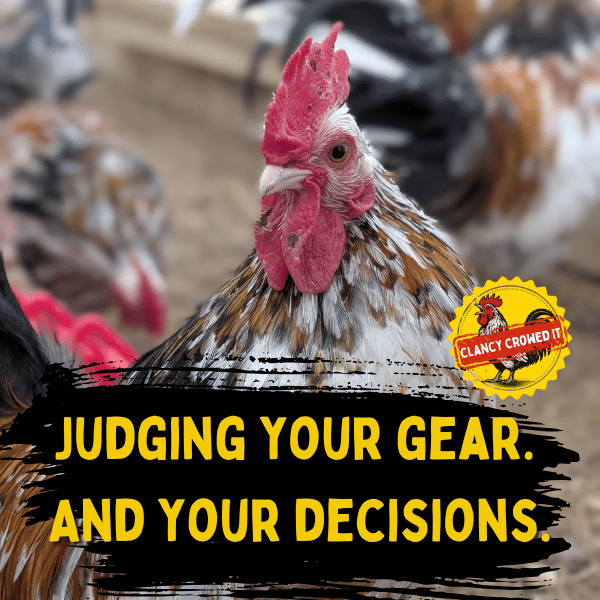
Clancy Crowed It: “The right bird for you isn’t the prettiest—it's the one that thrives in your yard.